Shipping & Logistics

Getting it to you is part of the product

Our own shipping and logistics department moves material to any destination worldwide — in containers, as dry bulk, or overland by road. The mode is chosen from your tonnage and how you will unload, not from what is convenient to load.

Capability

Three ways it travels

  1. Dry bulk vessels

    Dry bulk vessels

    For tonnages where containers stop making sense.

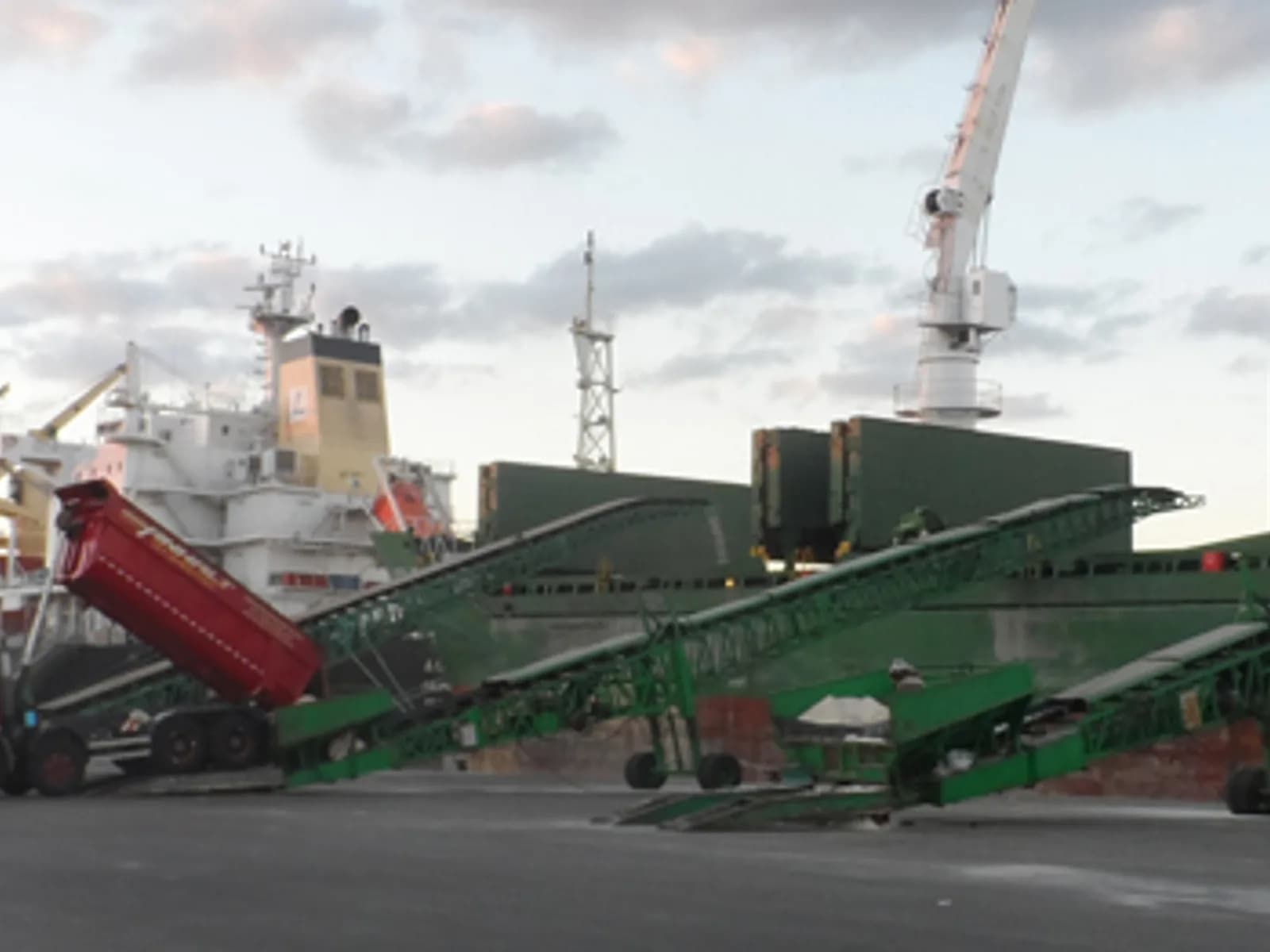
    Above a few thousand tonnes, containerising a mineral costs more in handling than the freight saves. Bulk loading moves the material straight from the stockpile to the hold — no bags, no pallets, no stuffing. The trade-off is that bulk needs a full parcel, a berth window and a buyer who can discharge it, so it suits recurring supply contracts rather than first orders.

    What that means in practice

    • Loaded through Alexandria and Damietta, the two ports closest to the plant
    • Handysize and Handymax parcels — the classes that serve these ports
    • Draft survey at the load port, with the certificate issued to the consignee
    • Loading rate and laytime agreed before fixture, not after
  2. Container shipping

    Container shipping

    The default for export, and the only sensible way to send a first order.

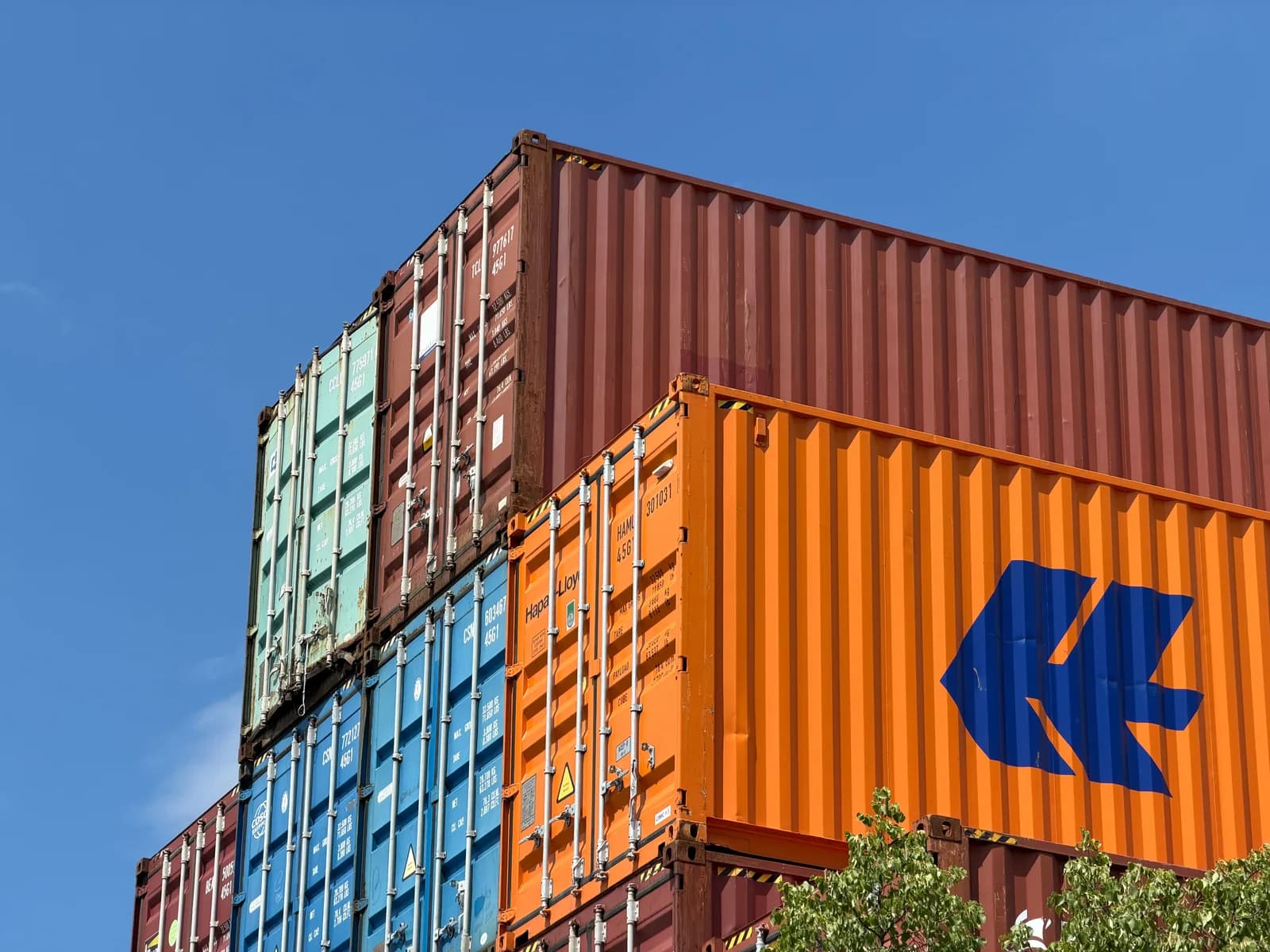
    Minerals are dense, so a container fills up by weight long before it fills up by volume. That is why a 20-foot box is the working unit for this cargo and a 40-foot is usually the wrong buy — you pay for space you cannot legally load. Material travels bagged on pallets or in jumbo bags, and the stuffing plan is built around the payload limit of the destination road network, not just the container.

    What that means in practice

    • 20 ft is weight-limited, not volume-limited, for every grade we ship
    • Jumbo bags, palletised 25 and 50 kg bags, or retail cartons
    • Liner bags and moisture barriers for grades that must arrive dry
    • Container photographs and seal number sent on the day of stuffing
  3. Road haulage

    Road haulage

    Domestic delivery, and overland to markets a truck can reach.

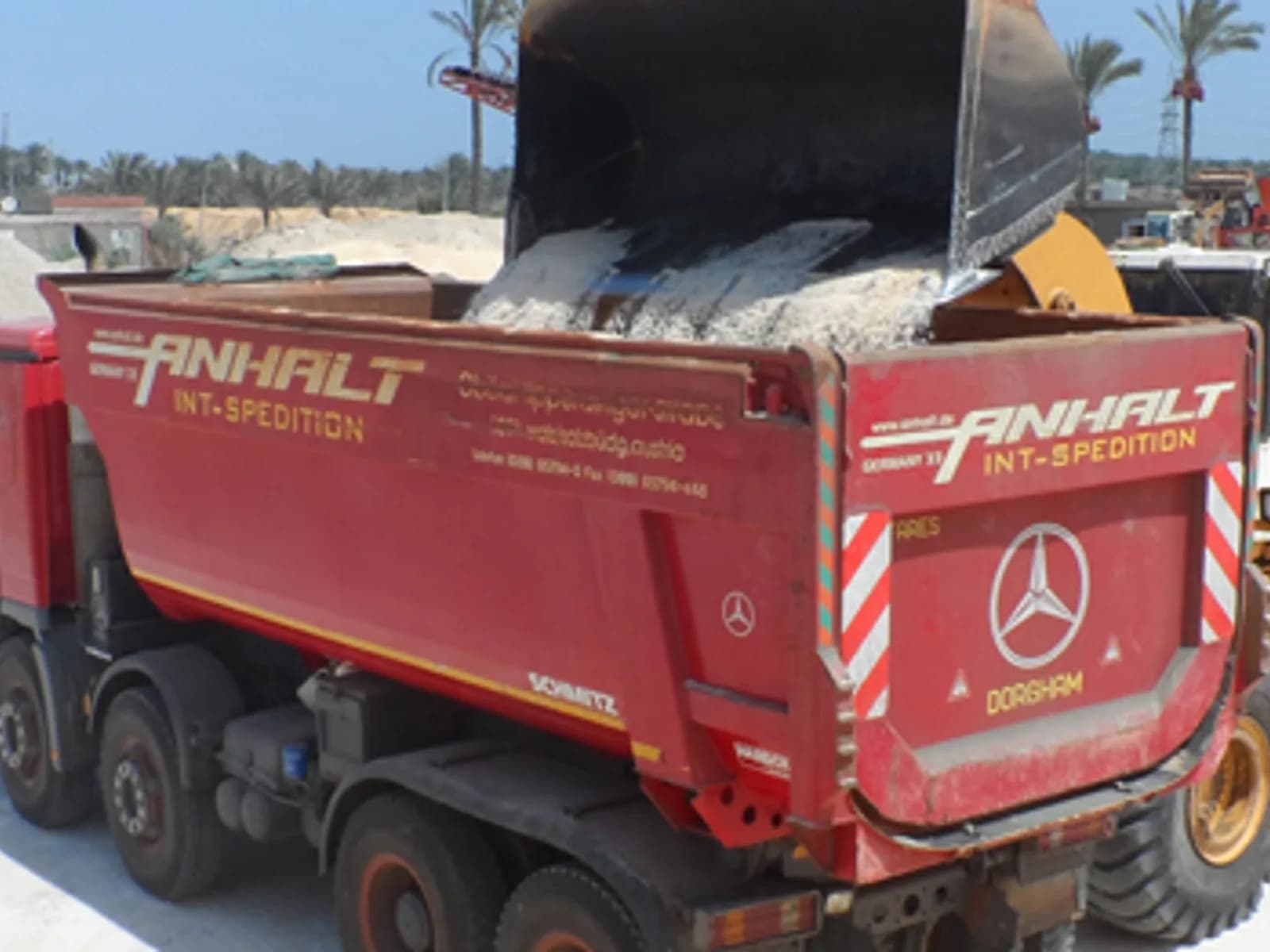
    Inland freight is where a competitive ex-works price quietly turns into an expensive landed one, so it is quoted openly rather than buried in the tonne rate. Tipper trailers carry bulk grades to site; flatbeds and curtainsiders carry bagged and palletised material where the customer unloads with a forklift rather than a loader. For neighbouring markets, overland delivery often beats a short sea leg on both cost and door-to-door time.

    What that means in practice

    • Tipper, flatbed and curtainsider, matched to how you will unload
    • Delivery to site, to your warehouse, or to the port for your own forwarder
    • Weighbridge ticket issued with every load
    • Inland freight quoted as a separate line, never folded into the tonne price

Terms we quote against

Incoterms 2020. Tell us which basis you work on and the quotation is built to it — the difference between EXW and CIF is often larger than the difference between two suppliers.

Shipped through Alexandria and Damietta to 18 countries.

EXWEx Works
You collect from the plant. Cheapest on paper, and the option that most often surprises a first-time buyer.
FOBFree On Board
We deliver to the vessel at Alexandria or Damietta and clear it for export. The usual basis for traders with their own freight.
CFR / CIFCost and Freight / with Insurance
We arrange the sea freight to your discharge port, and under CIF the cargo insurance with it.
DAPDelivered At Place
Delivered to your named address. Import duties and clearance stay yours.

Documentation

The export pack

Issued complete on the first attempt. A consignment held at a destination port over a missing certificate costs more than the certificate ever did.

  • Commercial invoice and packing list
  • Bill of lading
  • Certificate of origin
  • Certificate of analysis, per lot
  • Safety data sheet
  • Fumigation and phytosanitary certificates where the destination requires them
  • Draft survey or weighbridge certificate, by mode

Transit times and freight rates are quoted per destination and per shipment, with a validity date. They are not published here because a rate on a web page is out of date the week after it goes up.

Tell us the port and the tonnage

Send the destination, the quantity and the Incoterm you work on. The quotation comes back with the packing, the mode and the lead time already worked out.

Chat on WhatsApp